First: saffron
A first phase built around documented corms, ordered beds, dawn harvests, controlled drying and numbered lots.
Cala Gonone, Sardinia
S’Oru Cala is a micro-estate in the making, rooted in the land of Cala Gonone. The first phase is dedicated to saffron: a small field trial, careful hand work, documented lots and releases made only when the product is ready.
S’Oru Cala begins with a simple decision: produce less, document more and make each release worth remembering. Saffron leads the first phase because it is precious, seasonal, light to ship and suited to a direct relationship with chefs, careful home cooks and people who choose meaningful gifts.
A first phase built around documented corms, ordered beds, dawn harvests, controlled drying and numbered lots.
Rosemary, thyme, sage, mirto and other aromatics can create early releases. Olives add permanence, shade and future oil.
Every release is designed for QR-linked lot pages, harvest dates, field images, batch notes and a clear record of the work.
First phase
The first commercial story is saffron. Not as a commodity, but as a limited harvest: planted from documented Crocus sativus corms, picked by hand, separated the same day, dried carefully and released in very small formats.
The Cala Gonone release is presented simply as S’Oru Cala Zafferano. Protected origin names, organic claims and certification language will be used only for products that are legally eligible and fully documented.
Future product concept
Hand-selected threads from a future small lot in Cala Gonone.
The method
The project borrows from Japanese quality culture without copying Japanese aesthetics. The land, the product and the voice remain Sardinian. The influence is in the discipline: select, document, refine and never pretend that every piece is the best.
Map the land, test the soil, protect useful trees and choose the safest first area before planting at scale.
Begin with controlled saffron beds, documented corms, Mediterranean herbs nearby and a simple internal field log.
Record date, bed code, weather, processing method, quantity and images for every lot.
Release by waitlist, chef contact, small gift boxes and seasonal drops rather than anonymous distribution.


The land
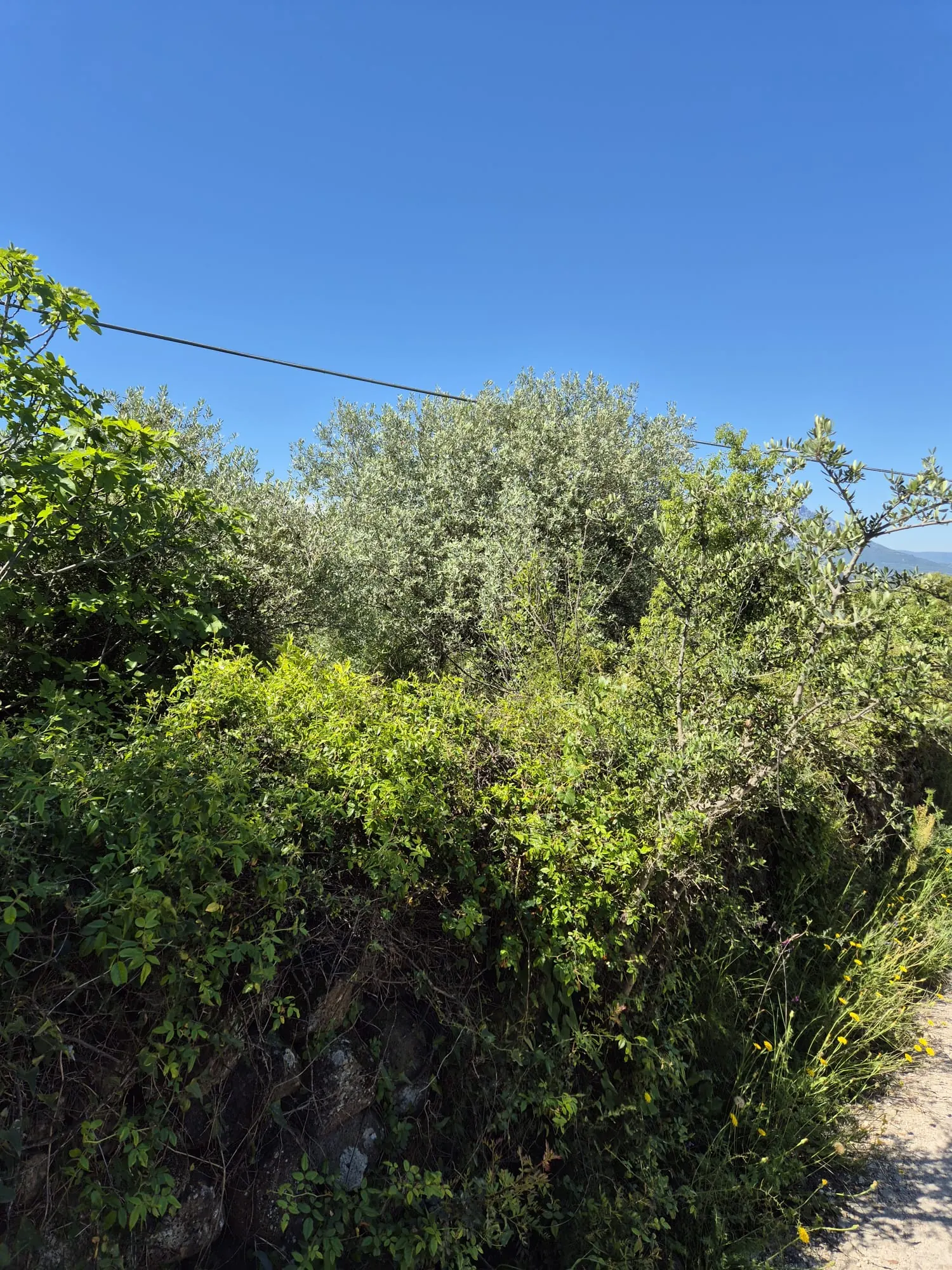
The site already speaks: wild fennel, fig, olive, prickly pear, old vine growth and dense Mediterranean vegetation. The goal is not to erase that character. It is to bring order without losing memory or useful shade.
Saffron beds, aromatic borders, existing trees and future olive oil can become one coherent landscape: calm, useful and unmistakably tied to Cala Gonone.
Follow the field recoverySmall direct releases
Join the first harvest list
No spam and no overpromising. Only field progress, product notes, first lot announcements and occasional invitations for chefs, partners and early supporters.
Questions
This page is for the first phase: field recovery, soil work, corm sourcing, testing and early interest. Product availability should be added only when lots are real and ready.
Only when a product is legally eligible and fully documented. The Cala Gonone saffron should be presented as S’Oru Cala Zafferano, with no protected origin wording unless the requirements are met.
Because the model depends on care, proof and margin rather than volume. Small lots let the project learn, improve and sell directly without becoming a commodity farm.
Mediterranean herbs can create earlier products. Olive oil, seasonal boxes and field experiences can follow once the land, process and customer base are ready.